what happens if car oil is low Question: what are the symptoms of low oil in a car??
Low oil levels in a car can lead to various symptoms and potential problems. It is crucial to monitor your vehicle’s oil regularly and ensure it is at the proper level to keep your engine running smoothly. Ignoring low oil levels can result in severe damage to your car’s engine and costly repairs. Here are some common symptoms of low oil in a car that you should be aware of:
Warning Lights
If your car has a low oil level, the first warning sign you may notice is the oil pressure warning light on your dashboard. This light is usually represented by an oil can symbol or the word “OIL.” When this light illuminates, it indicates that the oil pressure is too low, which can lead to engine damage if not addressed promptly. It is crucial to pull over safely and check your oil level before continuing to drive.
 Image Source: AutoacService
When you observe the oil pressure warning light, it is vital not to ignore it or continue driving for an extended period. This could cause significant harm to your engine, and repair costs could escalate rapidly.
Inadequate Lubrication
One of the essential functions of engine oil is to lubricate the moving parts within the engine. When the oil levels are too low, there is insufficient lubrication, causing increased friction and heat between the engine components. Without proper lubrication, these metal parts can grind against each other, leading to irreparable damage.
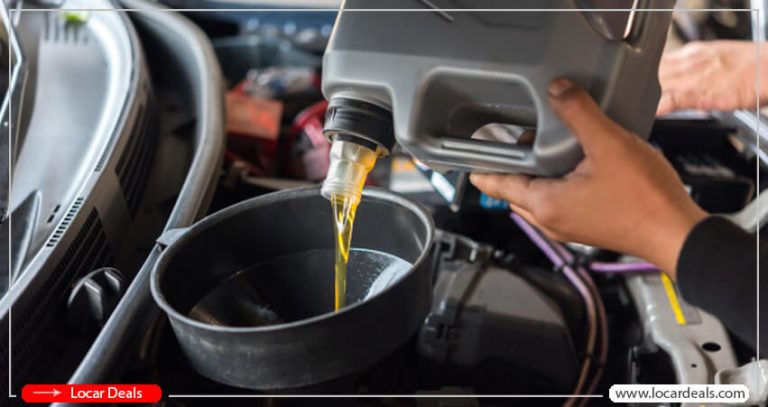 Image Source: What Happens if You Put Too Much Oil in Your Car? Symptoms & What To Do
Excess heat generated by insufficient lubrication can cause the engine to overheat, leading to warping or even cracking of vital components. The repair costs for such extensive damage can be astronomical, and in some cases, an engine replacement may be required.
Increased Engine Noise
If your car is running low on oil, you may notice an increase in engine noise. This noise can range from a slight ticking or knocking sound to a loud, persistent noise, depending on the severity of the oil shortage. The lack of lubrication causes the engine parts to rub against each other, resulting in the unusual sounds.
Regular oil changes are essential to keep your engine healthy and prevent these symptoms of low oil levels. Check your vehicle’s owner’s manual for the recommended oil change intervals and have it serviced accordingly. By maintaining the proper oil level and quality, you can extend the life of your engine and avoid costly repairs.
In conclusion, paying attention to your car’s oil levels is crucial for the overall health and performance of your vehicle. Keep an eye out for warning lights, ensure proper lubrication, and be cautious of any unusual engine noises. Regular maintenance and oil checks will help you identify and address low oil levels before they cause significant damage to your car’s engine.
If you are looking for What Happens When A Car Runs Out Of Oil you’ve visit to the right place. We have 5 Pictures about What Happens When A Car Runs Out Of Oil like 10W30 vs 10W40 Oil: What’s the Difference & Which Is Better?, Question: What Are The Symptoms Of Low Oil In A Car?? - AutoacService and also 10W30 vs 10W40 Oil: What’s the Difference & Which Is Better?. Here you go:
What Happens When A Car Runs Out Of Oil
 maspencef.blogspot.comrigour openness
Question: What Are The Symptoms Of Low Oil In A Car?? - AutoacService
bellinghamautoacservice.com5 Symptoms Of Low Engine Oil Level (DON’T Ignore These)
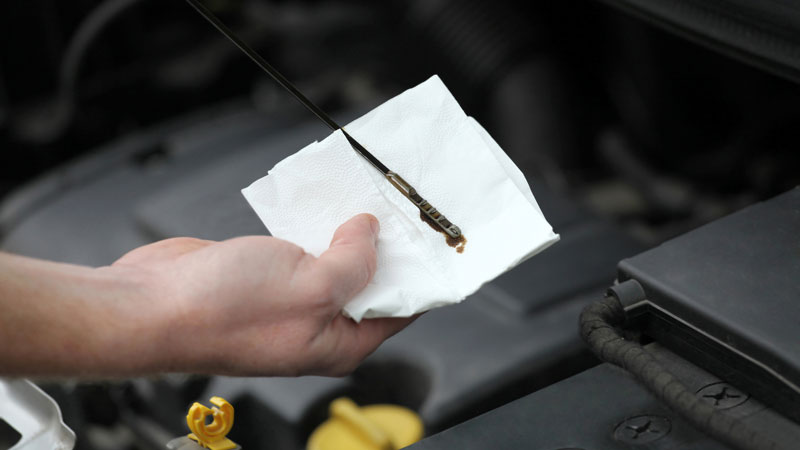 oards.comoil low engine level symptoms service check gritty dirty change ford lane quick looks schedule
10W30 Vs 10W40 Oil: What’s The Difference & Which Is Better?
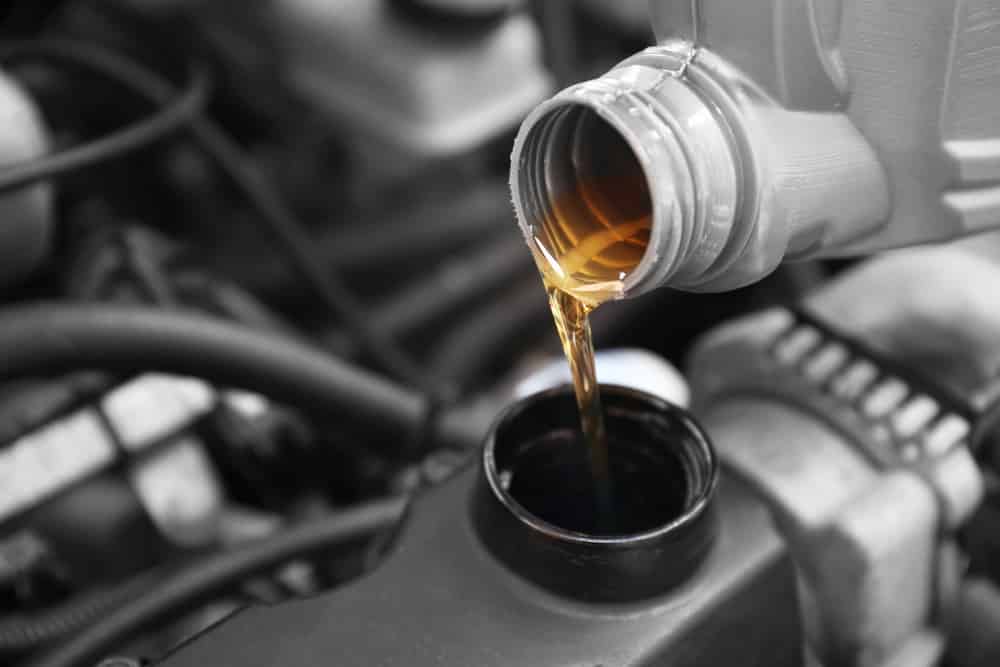 mechanicbase.com10w40 10w30 better
What Happens If You Put Too Much Oil In Your Car? Symptoms & What To Do
www.locardeals.comhappens
Rigour openness. What happens if you put too much oil in your car? symptoms & what to do. Oil low engine level symptoms service check gritty dirty change ford lane quick looks schedule